


Civil engineering graduate Snell pedals 2,600 miles to fund bicycles in rural Africa, South America
November 5, 2026
Riding for a cause
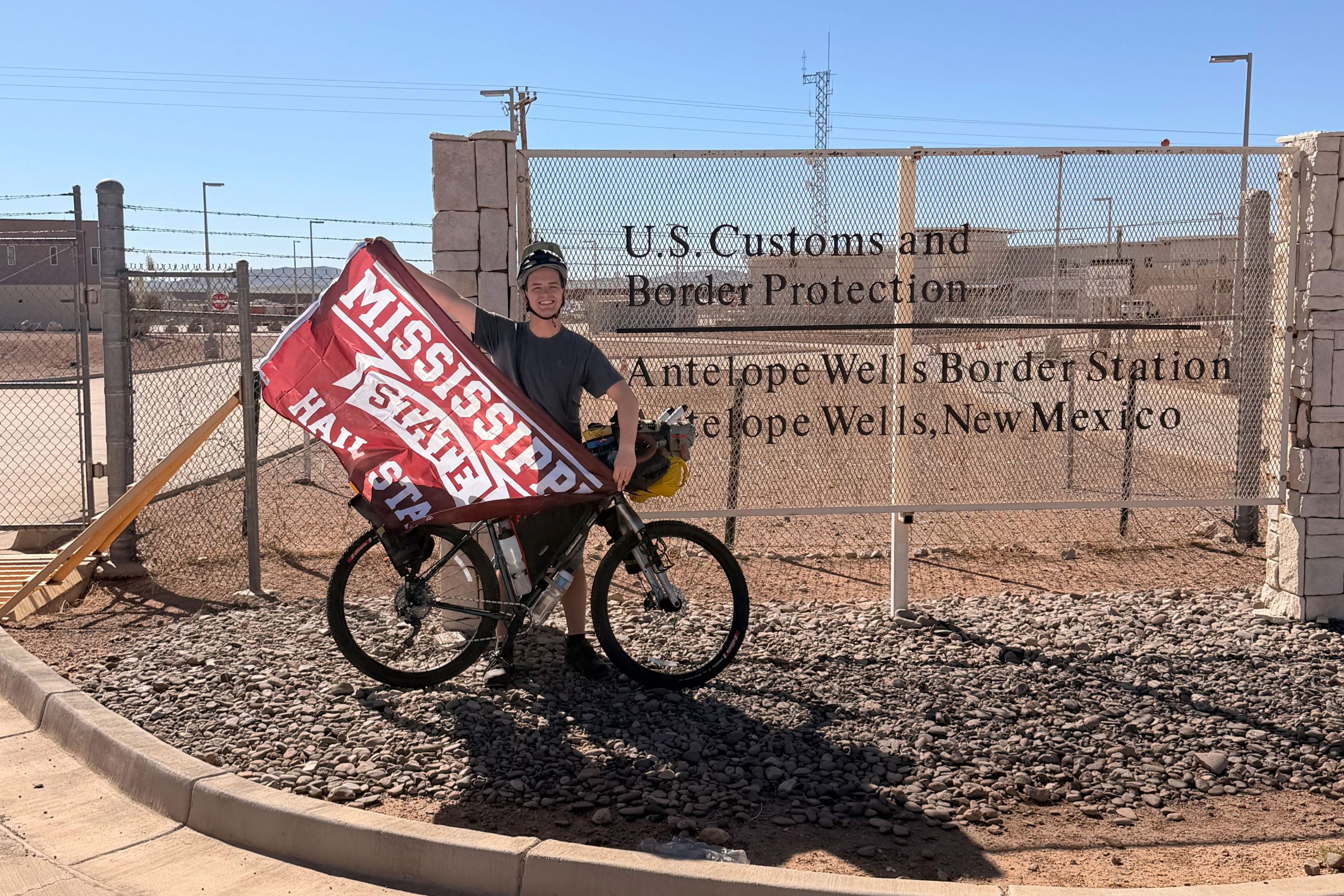
Last summer, Snell worked for Engineering Ministries International, which took him to Canada and then Uganda to help build structures that support communities. Laura Dunn, Snell’s civil engineering advisor, said seeing people’s struggles firsthand there led him to the ride.
“Cooper is one of the most genuine and sincere people you will ever have the chance to meet,” she said. “He truly practices what he preaches, and to the absolute best of his ability, and for someone with his skill set, his work ethic and his tenacity, that’s pretty impressive.”
While Snell considered this trip “very personal,” he wanted to do more. He wanted to use it to help others. That’s when he chose WBR as his charity.
“A bicycle allows students to get to school faster, safer and more consistently,” Snell said. “A bicycle allows a farmer to get more produce to market and increase his family’s income. A bicycle allows health care workers to move between villages faster and with more supplies. These bikes provide genuine life change for people.”
Contributors donated anywhere from 5 to 50 cents a mile or placed over/under bets on different parts of his trip, including how many flat tires he’d get, how many bears he’d see or even how many times he’d cry.
On the trail
Snell’s trip began May 18 when his parents dropped him off, and it ended June 28.
Only two days into the trip, Snell was having reservations.
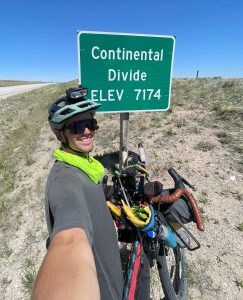
Cooper Snell reaches one of the Continental Divide crossings. Water on either side of the divide flows toward the Atlantic or Pacific Ocean. Snell said he crossed the divide more than 20 times during his ride. (Photo submitted)
“I decided it would be too embarrassing to quit on Day 2,” Snell said. “Quitting on Day 3 is much more respectable, or so my slightly heat-exhausted brain thought. So, I decided to push through. Luckily, I adapted and it didn’t come to quitting.”
And there were many trials. Hail in New Mexico. Heat exhaustion in Colorado. A lightning storm with winds of up to 30 mph in Wyoming. Three straight days of rain in Montana.
Not to mention the toll on his body and the nights he reached towns when all the restaurants were closed. His longest day on the bike was 122 miles.
“They’re hard,” Snell said. “You get pushed up against a wall, but when you’re out there the only way is over. The closest food is still miles ahead so you just keep on pushing. This leads to a lot of growth very fast. You realize that you’re capable of more than you thought.”
Snell admitted to crying three times on the trip. But despite the lows, he also reaped plenty of rewards.
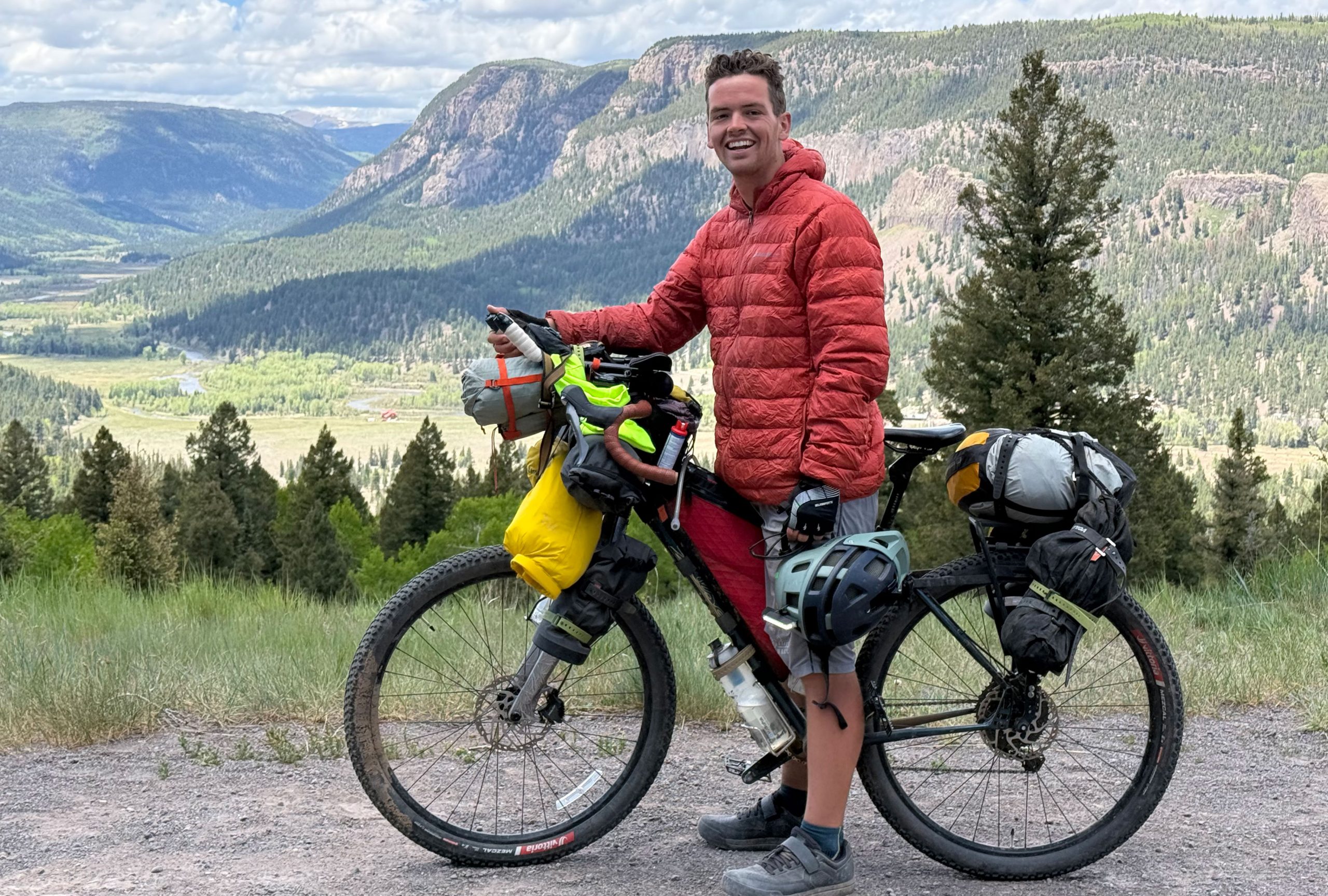
“I got to enjoy every sunset from somewhere I’ve never been and camp in stunning national forests,” he said. “I saw so many new critters and met other cyclists.
“I loved the freedom of it. You set out and just go. Life gets so much simpler when you just point your bike where you want to go and start pedaling. That’s not to say it’s easy, but it is a lot simpler. You get a lot of time to think, and you get to see so many things you can’t get to in a car.”
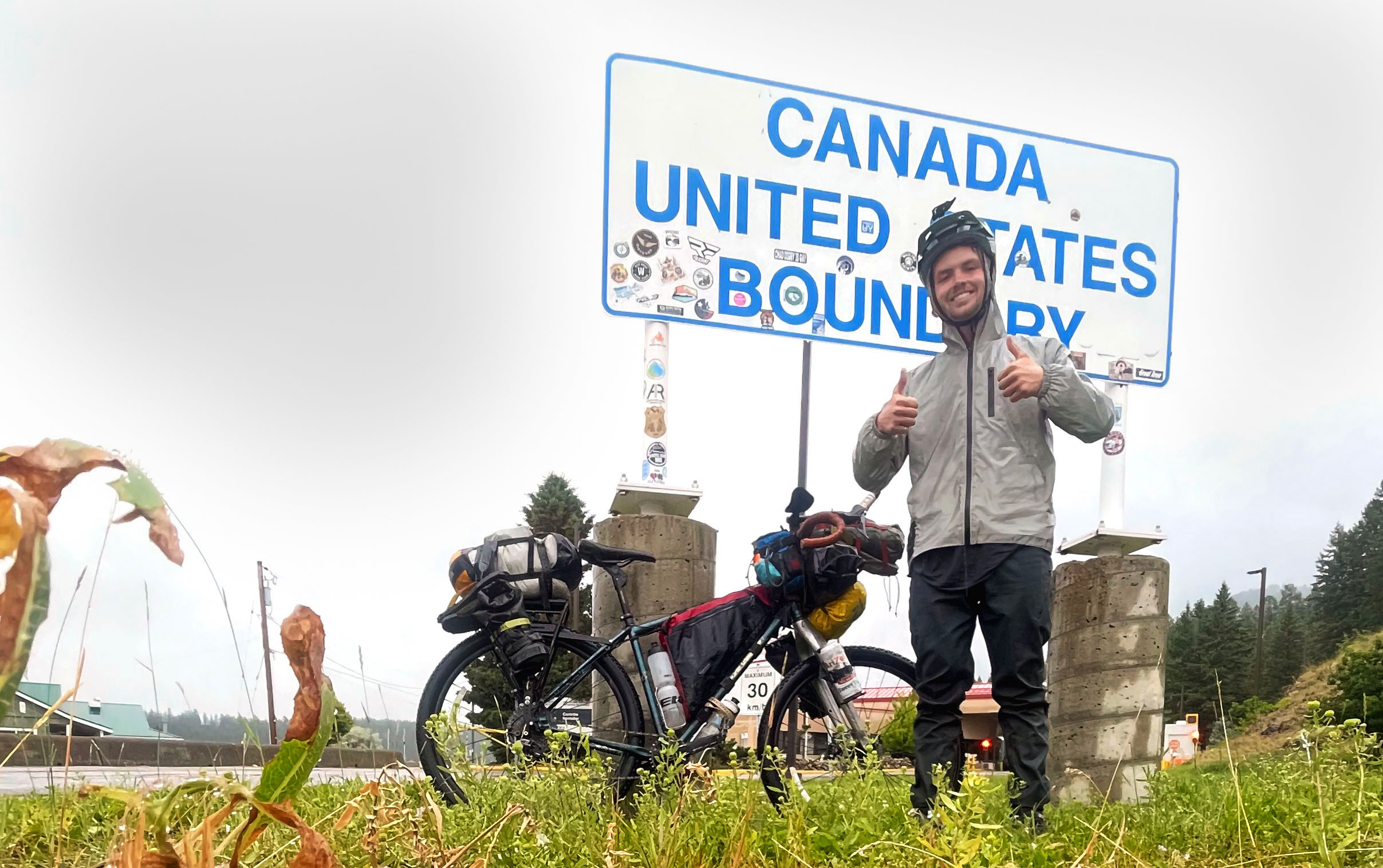
He was relieved when he finally reached the Canadian border. His 2019 Salsa Fargo bike had about had it, too.
“I took it in for maintenance before my trip, and it needed basically everything fixed up or replaced by the end,” Snell said. “I was incredibly proud to have met this goal that I set for myself, knowing that I would carry these memories and this accomplishment for the rest of my life. I didn’t know I had this in me. I learned I can push a lot more than I would’ve guessed.
“Without people cheering me on and giving me the space I need to go through with this challenge, it would have been much, much harder. I am a very lucky man indeed.”
Beyond the ride
Snell is taking the same mindset he used this summer into his career as he hopes to make an impact in everything he does. He is studying to earn his professional engineer license so he can one day lead projects.
“[The transportation system] is core to our economic success and increased access to opportunity, but it is also one of the largest contributors of greenhouse gas, a leading cause of death for American children and a significant expense for all levels of government,” he said. “I believe that quality transportation is vital to the success of an individual, and thus the success of a society.
“I want to help build a transportation system that is safer for everyone, especially people outside of cars, while increasing access to employment, education and other important parts of life.”
He hasn’t stopped challenging himself. He competed in his first race, a 24-hour event, on Oct. 17, biking 220 miles and placing fourth in his division.
“Don’t limit yourself to what is normal, or what you think you can succeed in,” Snell said. “Try something way out of your league and see what happens. It’s scary to do something you could fail spectacularly at, but I think you’ll surprise yourself if you give it a shot.”